
Stewardship of Rock Images
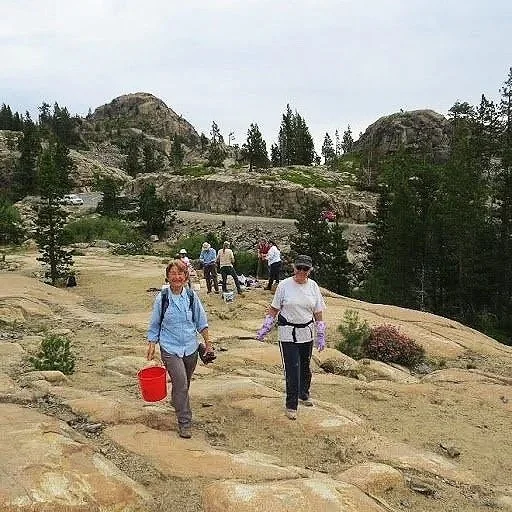
FSRA volunteers work alongside archaeologists and land managers to monitor and help protect culturally significant rock image sites throughout the Sierra Nevada. Through field visits, documentation, and education, we help preserve these irreplaceable cultural locations.
-
FSRA provides site monitoring services for the U.S. Forest Service, PG&E, and other landowners to help protect petroglyph sites and surrounding cultural landscapes.
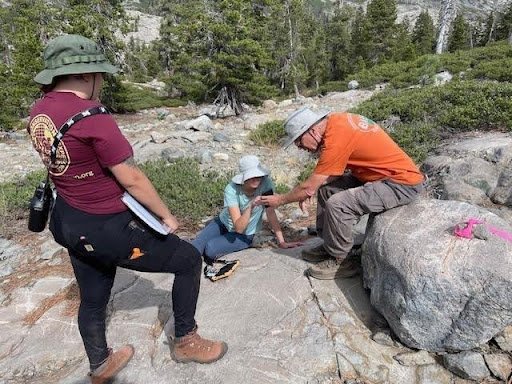
Our monitors assess the ongoing condition of assigned sites and share relevant concerns with land managers and Native American tribes when appropriate.
-
FSRA monitors receive initial and ongoing training through classroom sessions and fieldwork. Each monitor is provided with confidential site records describing their assigned sites.
Monitors visit their assigned sites seasonally and report any changes that may affect the integrity of the petroglyphs or the surrounding environment.
Monitoring Includes
• Natural seasonal weathering and erosion
•Impacts from fire and other natural events
• Changes in vegetation growth and lichen activity
• Human activity such as visitation or camping
• Other conditions that may affect site preservationMonitoring reports are compiled each fall and submitted to the landowner. If an issue requires immediate attention, FSRA contacts the appropriate agency or entity.
-
FSRA organizes and provides labor and materials for site remediation with the permission of landowners. Our work focuses on stabilizing and protecting rock imagery sites that have been affected by natural and human impacts.
Graffiti is frequently found at public sites near roadways, as well as at well-known locations that receive heavy visitation. In addition to graffiti, stone surfaces may be damaged , rocks displaced, or cairns constructed. In some cases, petroglyphs have even been removed from their original rock faces, causing permanent damage.
Remediation Efforts
FSRA conducts ongoing remediation projects that include:
• Graffiti and paint removal
• Campfire impact mitigation
• Restoration work to protect affected areasWe also implement modifications that help reroute bicycle and foot traffic to reduce impacts on petroglyphs and surrounding environments.
-
FSRA works with local land trusts and partner organizations to help ensure that rock imagery sites under their management are properly monitored and cared for.
-
FSRA has conducted surveys for government agencies and private organizations to identify and document petroglyphs and other cultural resources that have not yet been recorded. Our work has included site recording projects for the National Forest, Pacific Gas and Electric Company, and the Bureau of Land Management.
In recent years, new technologies have improved our ability to detect and document petroglyphs that have become faint over time or are overlaid by more recent imagery. Site recording includes site description and location, measuring , drawing, photography, and, when appropriate, videography, as well as documenting the surrounding environmental and cultural context.
This work often requires transporting specialized equipment into remote areas and conducting detailed field expeditions.
The photo in this section highlight site recording efforts in the Grouse Ridge area.
-
FSRA produced a video for its YouTube channel that provides guidance on appropriate site etiquette for cultural and spiritual petroglyph locations. The sites we monitor are considered sacred by the descendants of the people who created them, and respectful visitation is essential to their protection.
We have also developed site-behavior flyers for young adults, created in collaboration with high school students. These materials, along with site information and visitor logs, are placed in waterproof containers at public and well-known non-public sites. Public sites are open to visitors and include educational signage to help support visitation.
These guidelines encourage respectful behavior, promote cultural awareness, and help prevent damage to sites.
FSRA helped install at the Donner Pass site, along with metal containers used to hold site-behavior information and visitor logs at vulnerable locations.
Get In Touch
If you encounter graffiti or damage at a rock imagery site, please reach out to us. Early reporting helps protect these places and allows remediation work to begin quickly.
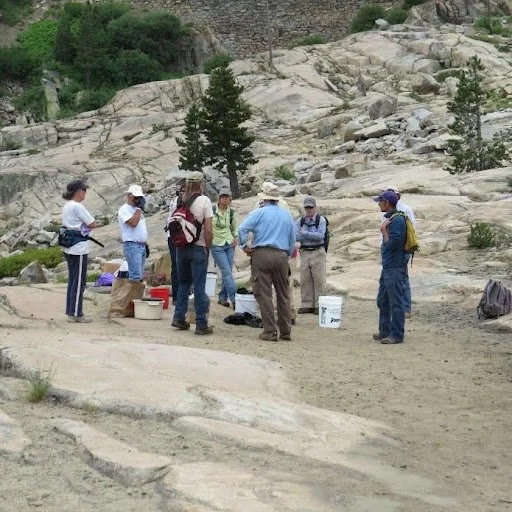
If you would like to help with preservation efforts or volunteer for site remediation projects, we welcome your involvement.
Send us a message .